Science and engineering, together
Scientific exploration
Starting with target properties and research questions, organize existing formulations, experimental records and constraints to compare candidates and calculations systematically. Help researchers distinguish intrinsic material differences from preparation variation, and plan the next calculations, specimen preparation and measurements on that basis.
Engineering development
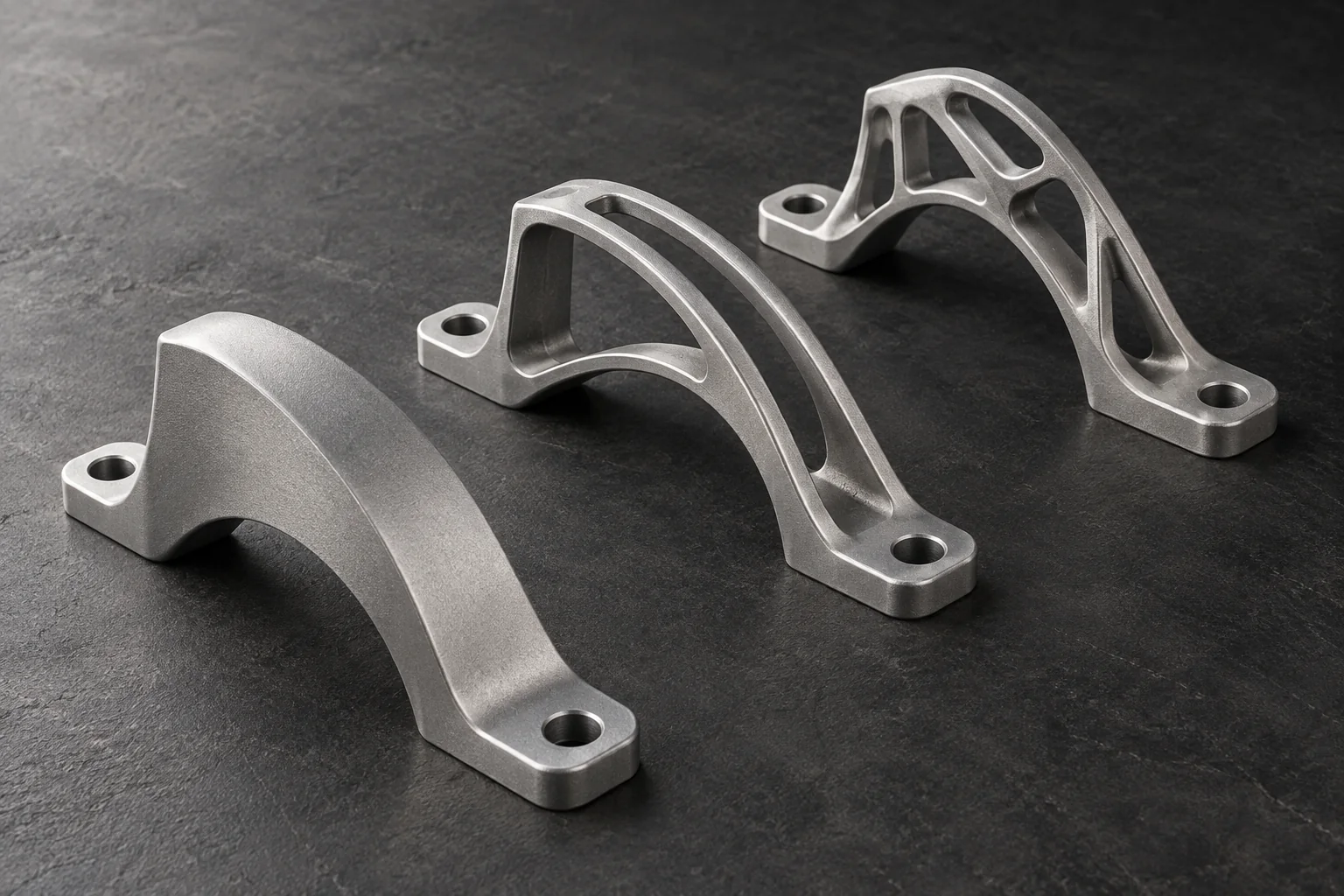
Build engineering models around specific components, geometry parameters and operating control conditions. Help engineers compare structural and control changes, locate interference or performance differences, and identify the parts requiring another check or revision.
Our working principles
Separate recommendations from testing. Specialists judge the results.
Software is designed around the decisions researchers and engineers need to make. Material comparisons need target properties, processing conditions and outstanding experiments. Structural checks need dimensions, component relationships and discrepancy records. Whether to build a standalone application or automate part of an existing toolchain depends on the task and operating conditions.
We keep candidate recommendation separate from result evaluation. A program run, an independent geometry check and a physical experiment answer questions at different levels. The software retains each run's inputs, version and failed checks, enabling specialists to judge whether to proceed. Stability conclusions apply strictly to the operating conditions and test ranges already examined.
Current capabilities and long-term direction
From task-specific tools to lasting R&D infrastructure.
Make intelligence a new foundation for human exploration and creation.
What we can deliver today: dedicated software and workflows for clearly bounded R&D tasks, including constrained formulation screening, parametric mechanical modelling and independent geometry checks, thermal and process comparisons across operating conditions, and structured experimental records with role-based review. In MOTRA we verified mechanical parameter modelling, software regression and independent geometry checking workflows; in PackProof and RT Clinica we developed established capabilities in controlled information flows, version control and role-based review.
Our long-term direction is to turn recurring modeling, checking and document-management needs into reusable products. Scientific and engineering tasks use appropriate tools and evaluation methods; actual projects and operating conditions determine the product scope.
Collaboration and responsibilities
Clear responsibilities, starting with one R&D problem.
We take responsibility for the agreed software development, workflow construction and organization of computations. The client and domain specialists confirm development goals, information permissions, model assumptions and professional evaluation criteria. Before starting, both parties establish who receives the outputs and who makes the next development decision.
For physical experiments, we agree preparation, measurement and operating conditions with the client's experimental team and arrange repeat tests. Software execution status, model error and physical test performance are reported separately; unexplained issues remain in the record. Public project records state their current stage and evidence sources. Contracting parties, participants and maintenance responsibilities are agreed when defining the project scope.