Tasks, operations & human judgment
SCIENCE / TASK STUDY
Materials candidate screening
From target properties to experiment priorities
01 / REQUIREMENTS
Set the conditions first
- Target properties
- Processing conditions
- Available data
02 / CANDIDATES
Then compare candidates
- Check hard constraints
- Organize calculation evidence
03 / EXPERIMENTS
Plan the next experiments
- Candidates to explore further
- Conditions not yet met
- Inputs
- Target properties, processing constraints, and sourced materials and experimental information.
- Software actions
- Organize candidate evidence, check hard constraints and call the agreed computing tools.
- Outputs
- Candidate comparisons, calculation conditions and evidence still needed.
- Human judgment
- The research team confirms which candidates merit experiments. Measurements determine whether to proceed.
Compare physical calculations
Parameter options, existing code or solvers, and boundary conditions. Fix inputs and versions, organize execution and summarize differences.
Results for each option, execution records and unexplained differences. Specialists decide whether to adjust the model, add comparisons or run experiments.
Conditions needed to start
Clarify the conditions first.
01
The task & evaluation method
The question to answer, target metrics, practical constraints, reference baseline and person responsible for evaluation.
02
Research information & data
Authorized literature, formulations, data or experimental records, including sources, units, batches and versions. Unmeasured properties and missing data are labeled separately.
03
Existing models & tools
Existing code, computing software or engineering models, with their environments, interfaces and known applicability.
04
Conditions for further validation
Which independent calculations, specialist reviews or experiments can be performed, and who is responsible. Tool licenses, interfaces and equipment conditions are confirmed at the outset.
Which tasks software handles
Choose tools and workflows for the task.
Specific capabilities and operating environments are agreed at the start of each project.
Organize information & parameters
Attach properties, units, batches and sources to the relevant records, retaining anomalies and missing values. Researchers can return to the original information to check it.
Compare candidates
Generate or select a limited set of candidates using agreed variables and constraints. Comparisons distinguish calculated, measured and assumed properties to support the next round of work.
Run the tools
Build execution and recording workflows around code, models or computing software confirmed to run. The tools perform the calculations; inputs, versions and execution status are saved with the results.
Review results & discrepancies
Organize computational comparisons, experimental discrepancies and specialist reviews. Plan revisions once differences are traced to inputs or assumptions; retain unsupported explanations as open questions.
Current project evidence
See what has been built.
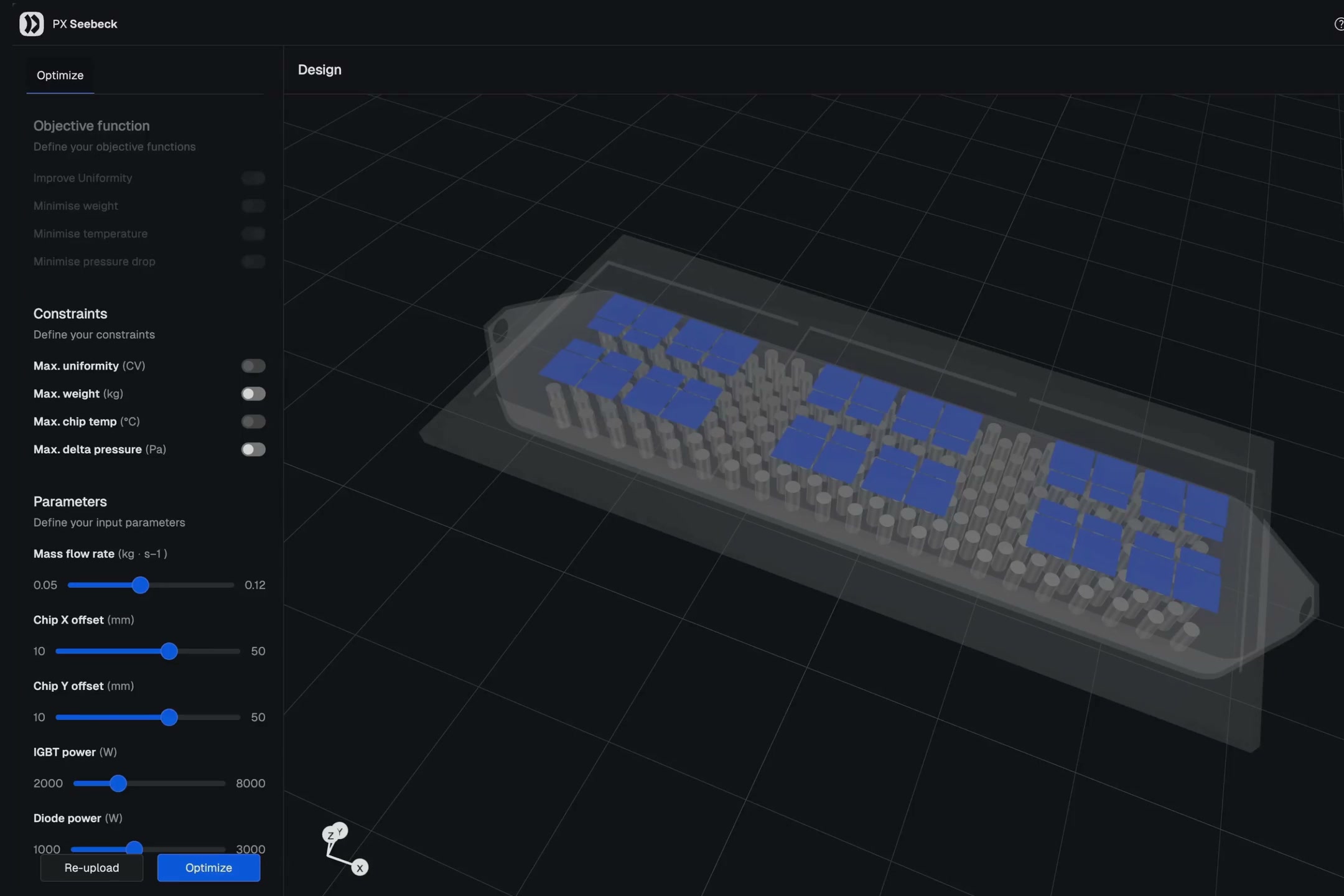
Public projects provide evidence of information organization, specialist review and local engineering checks. Materials screening, molecular research and photonic-device computation are potential collaboration tasks. We currently have no public new-material discovery, materials foundation model or photonic-device experimental result.
MOTRA
A defined-scope project covering parametric models, control records and independent geometry checks.
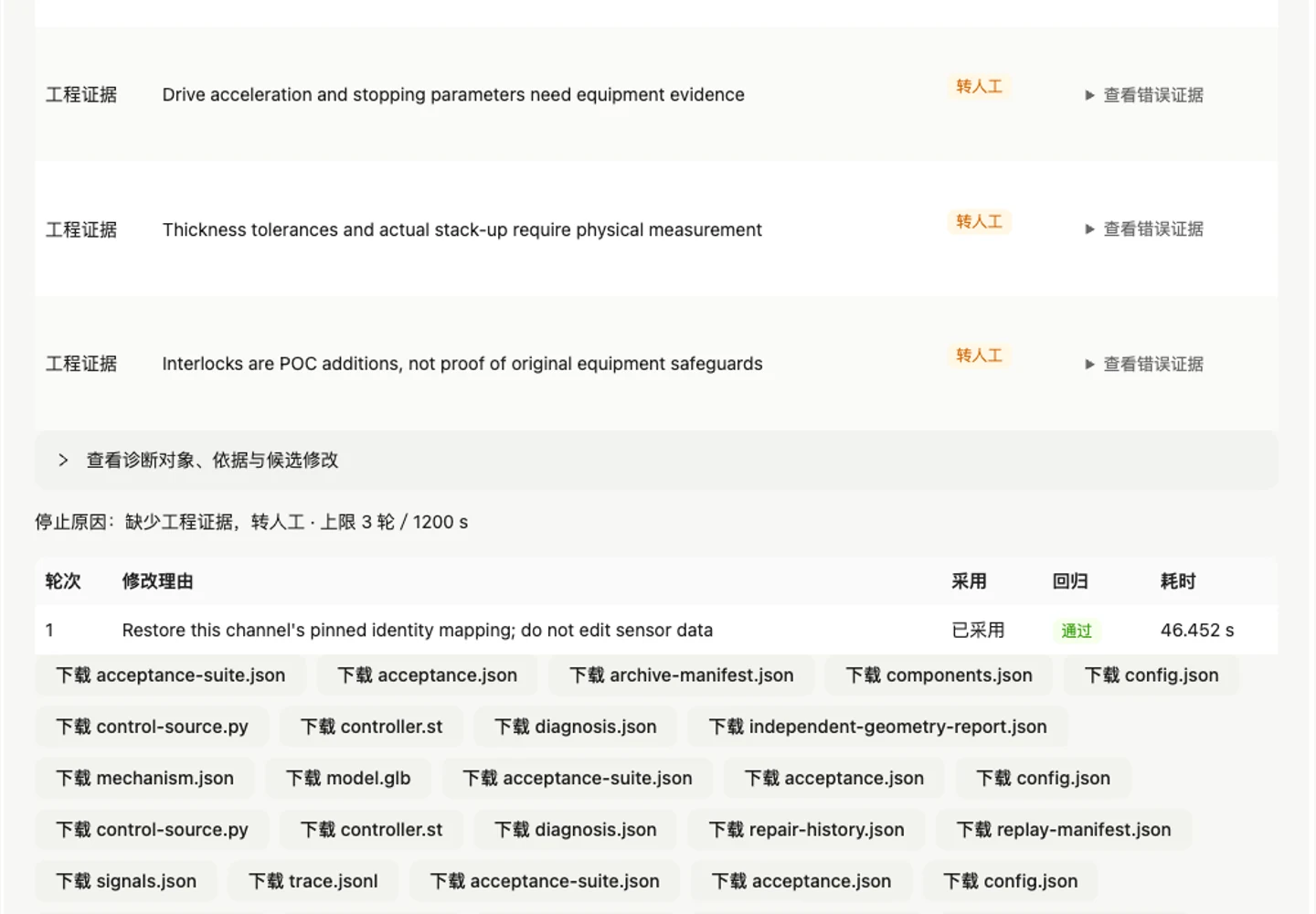 Live product
PackProof / RT Clinica
Practical evidence of information organization, specialist review and software workflows. Specific research validation is carried out separately.
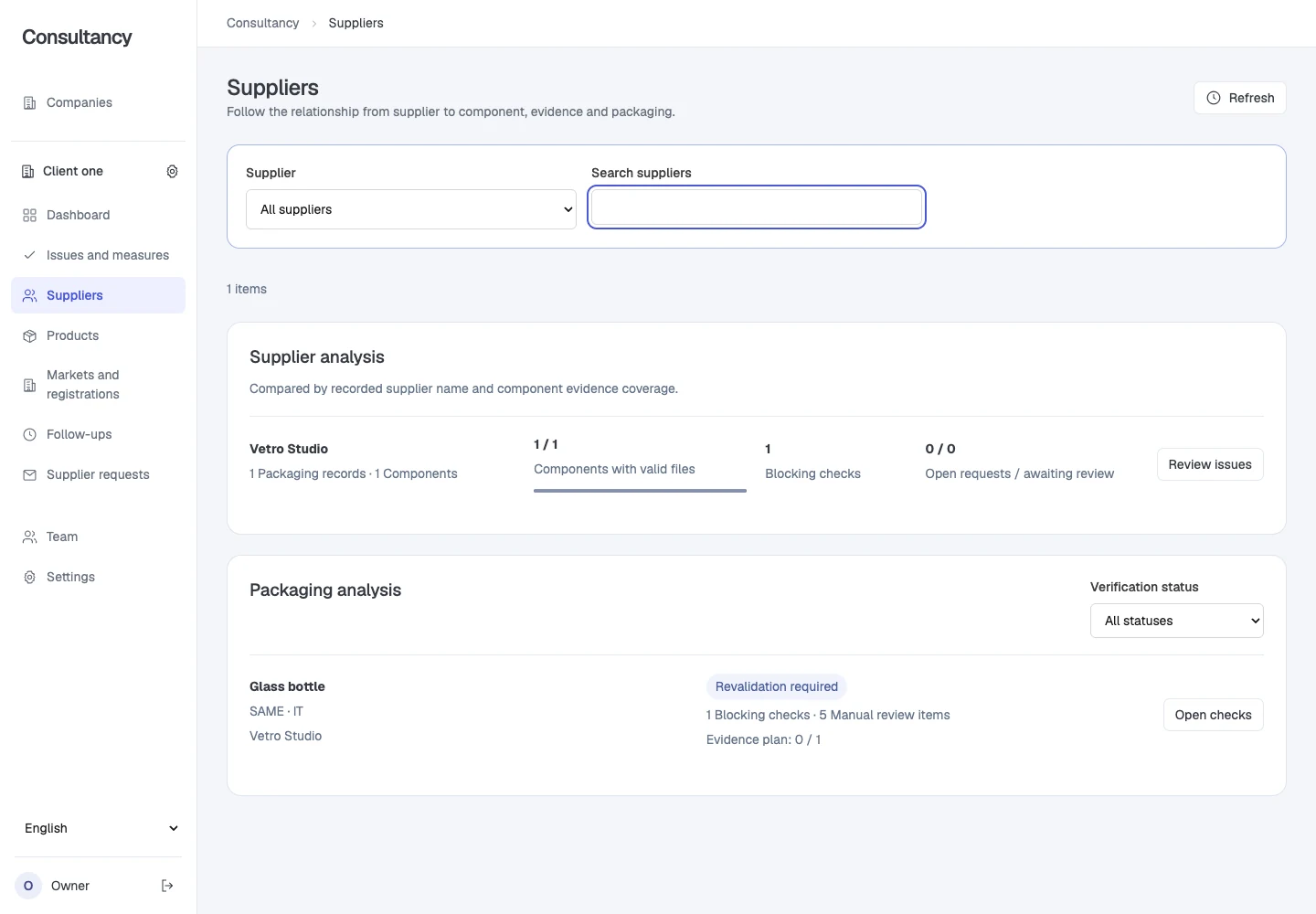
Delivery & acceptance
Goals & acceptance criteria
The question to answer, target properties, constraints, reference solution and evaluation method.
Editable candidates & execution workflows
The iteration's candidates, parameters, code or models, with their inputs and usable execution steps.
Validation levels & discrepancy records
Calculation comparisons, check results, failed checks and properties still requiring experiments.
Versions, evidence & handover notes
Input sources, output versions, rerun instructions and conditions needed for the next iteration.
How results are checked
First check information and units, parameter mappings, execution steps and result sources. Then compare the reference solution and candidates for the task. Model calibration and validation use separate batches or operating conditions, recording calculation error and experimental status distinctly.
Professional responsibilities
We are responsible for software, computation workflows and records within the agreed scope. Domain specialists confirm model assumptions, result meanings and candidate choices. Where physical work is required, the experimental team agreed by both parties performs preparation and measurement.
Validation scope & next-step conditions
Each project records the validation status of software, models, simulations and measurements separately. Material performance, physical conclusions and engineering implementation require corresponding independent calculations, experiments or equipment evidence.